The allure of risk in gambling
The psychology of gambling is deeply intertwined with the concept of risk. For many players, the thrill of placing a bet is not just about potential winnings but also the excitement of uncertainty. This aspect of unpredictability can trigger the brain’s reward system, releasing dopamine and creating feelings of happiness and excitement. As a result, players often find themselves drawn to games that offer a level of risk that is both manageable and exhilarating. This is why websites like https://loplops.com/ have become popular for those looking to understand and engage with gambling online.
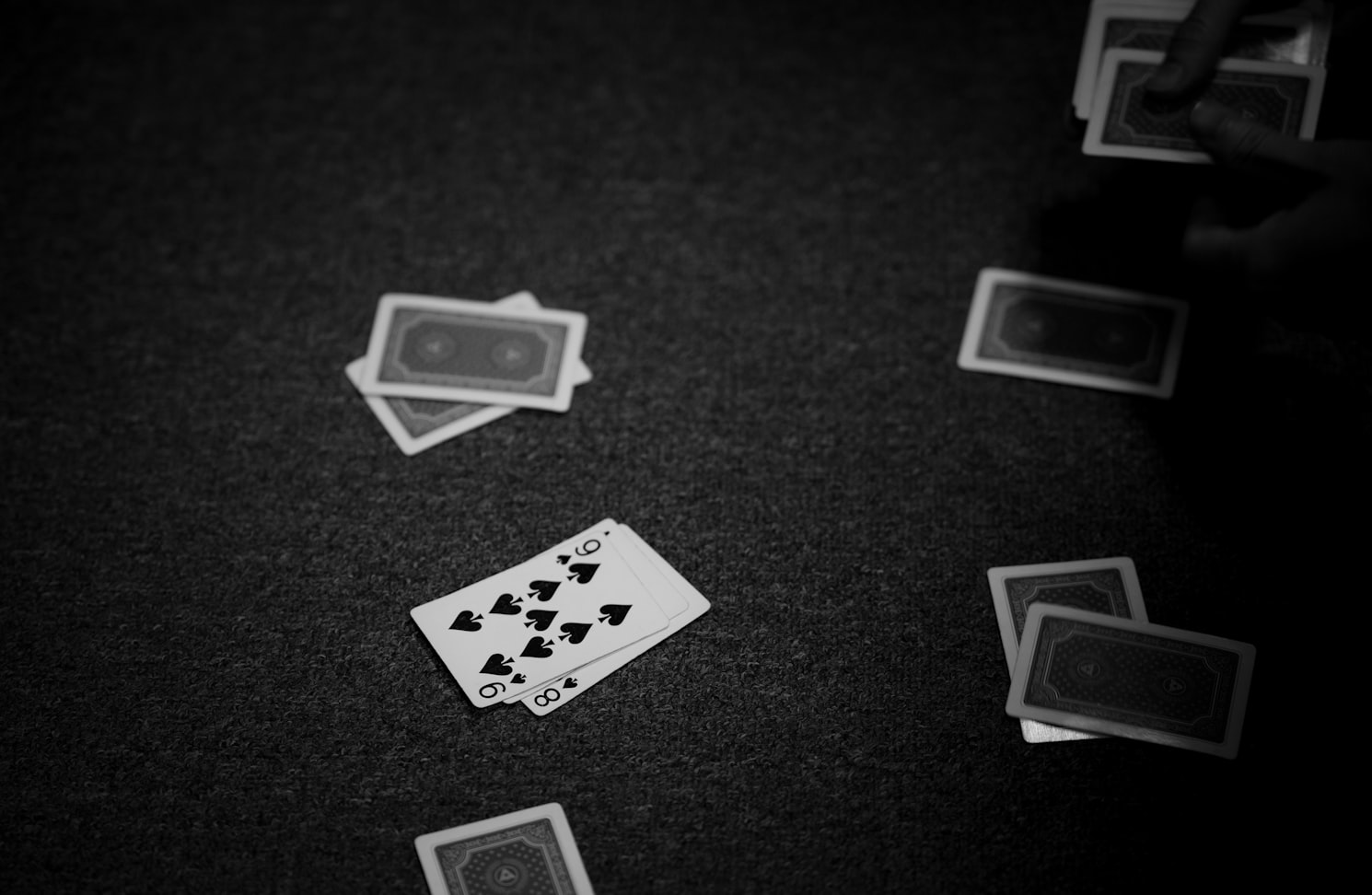
Moreover, the allure of risk is further heightened by the ambience of casinos themselves, which are often designed to stimulate the senses. Bright lights, sounds of coins clinking, and the atmosphere of excitement can enhance the player’s desire to engage in risk-taking behaviors. This combination of psychological elements makes gambling not just a game of chance but an immersive experience that taps into human emotions.
Player profiles and game preferences
Players often gravitate towards specific types of casino games based on their personality traits and psychological profiles. For example, individuals who prefer strategy and skill may be more inclined to play table games like poker or blackjack, where the outcome is influenced by knowledge and experience. Conversely, those who enjoy instant gratification and don’t want to engage in complex strategies might prefer slot machines, where the gameplay is straightforward and outcomes are immediate.
Understanding the differences in player profiles can help casinos tailor their offerings to meet the desires of various audiences. This insight allows operators to create a more personalized experience, increasing player satisfaction and loyalty. By acknowledging the psychological factors that influence game choice, casinos can effectively market their games to specific demographics.
The impact of near misses and cognitive biases
The concept of “near misses” plays a significant role in the psychology of casino games. When players experience a near miss—such as spinning two cherries on a slot machine but not landing the third—they often feel a surge of excitement. This can lead them to believe they are closer to winning than they actually are, reinforcing their desire to continue playing. Such cognitive biases can skew a player’s perception of their chances, making them more likely to gamble again in hopes of finally hitting that elusive jackpot.
Additionally, cognitive biases such as the gambler’s fallacy influence the choices players make. This fallacy leads individuals to believe that past events can affect future outcomes in games of chance. For instance, a player may think that after a series of losses, they are “due” for a win, prompting them to wager more. This psychological trap can lead to prolonged gambling sessions and potential financial loss, highlighting the complex relationship between cognition and behavior in gambling.
Environmental factors influencing decision-making
The environment in which gambling occurs significantly impacts players’ choices. Casinos are meticulously designed to create an atmosphere that encourages extended play. Factors such as sound, lighting, and layout are strategically chosen to keep players engaged. For example, the sounds of winning and the vibrant colors of machines are scientifically proven to attract and retain player attention, influencing their game choices.
Moreover, social interactions within casinos, whether at a table game or among slots, can enhance the gambling experience. The presence of other players often leads to a communal atmosphere that can increase a person’s desire to participate. This social aspect acts as both a motivator and a psychological crutch, helping individuals justify their choices and spending as part of a shared experience.

Conclusion: The intersection of psychology and casino design
The exploration of psychology behind casino game choices reveals a fascinating interplay between human behavior and environmental design. Understanding the psychological triggers that affect player preferences allows casinos to create engaging experiences that cater to diverse player profiles. By leveraging insights into risk, cognitive biases, and the influence of the gaming environment, casinos can enhance satisfaction and foster loyalty among patrons.
As players navigate the complexities of their choices, it becomes clear that gambling is not merely about luck; it is a multifaceted experience shaped by psychology and design. This understanding can help both players and operators to appreciate the intricate dynamics of the gambling world, ultimately leading to more responsible and enjoyable gaming experiences.